
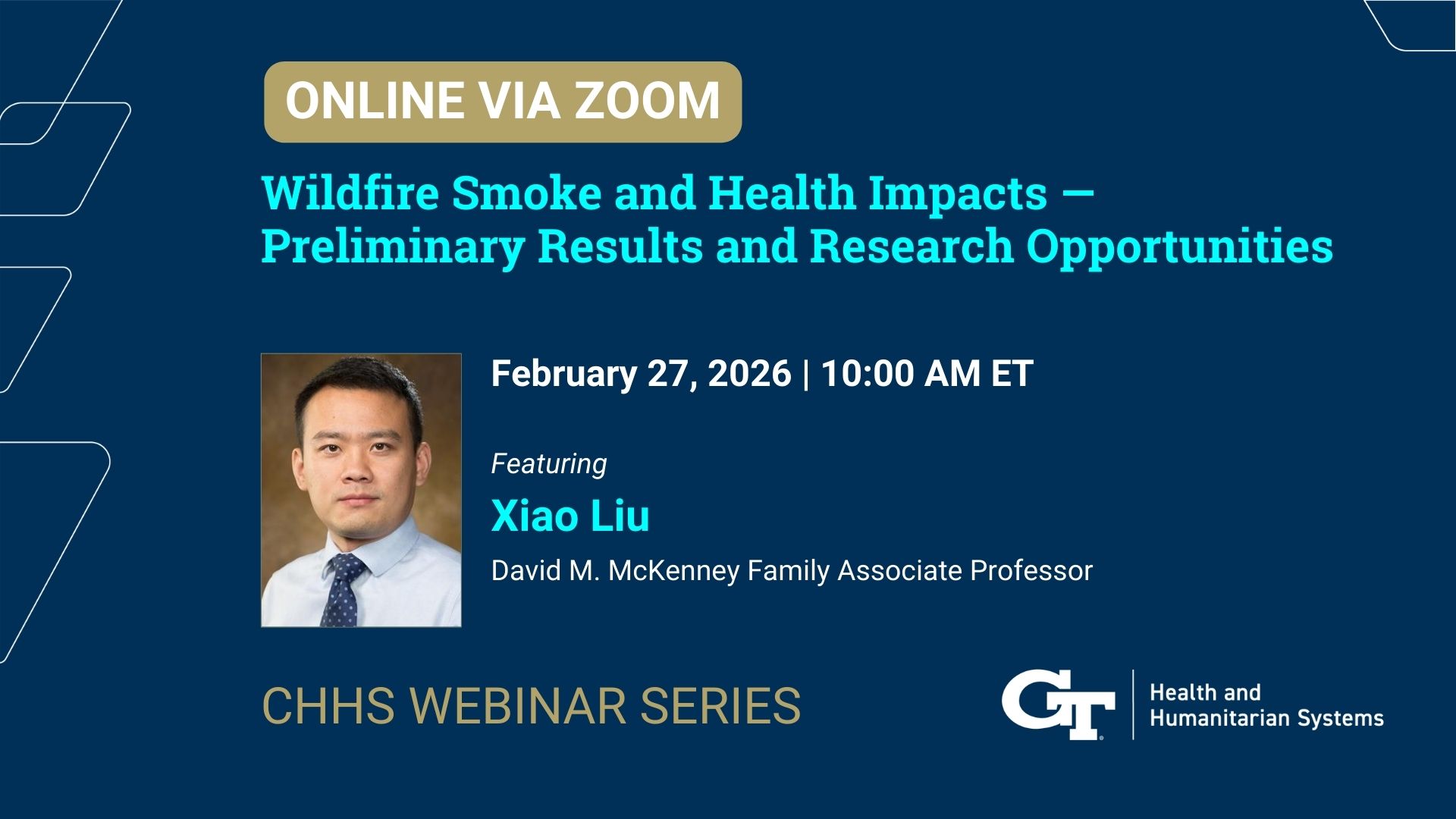
Wildfire smoke poses an imminent public health threat by releasing large amounts of toxic pollutants into the atmosphere. Of particular concern is fine particulate matter PM2.5, which contributes to 90% of the total particle mass emitted during these events. Because these particles are small enough to enter the bloodstream, the ability to "see," "track," and "predict" the spread of smoke has become an urgent task with significant societal implications.
This threat is especially acute for vulnerable populations, including children, pregnant women, older adults, and outdoor workers, as well as those with preexisting cardiovascular disease or from low socioeconomic status groups. Developing a robust tracking capability is critical for generating accurate, real-time air quality predictions during active wildfire episodes, allowing these individuals to take timely and effective mitigation actions.
Beyond immediate safety, advanced modeling provides a vital dataset for scientific investigations into the long-term health impacts of wildfires. By leveraging the generative nature of modern AI, we can efficiently simulate multiple smoke spread scenarios under various conditions. This facilitates long-term planning for essential services, such as managing hospital capacity during fire events, directing traffic, and informing insurance policy.
This talk will present preliminary results on the modeling and prediction of wildfire smoke using a combination of remote-sensing and computer simulation data. We will also explore future research opportunities in this rapidly evolving field of environmental health and data science.
Featuring Xiao Liu, PhD, David M. McKenney Family Associate Professor, H. Milton Stewart School of Industrial and Systems Engineering, Georgia Tech Center for Health and Humanitarian Systems. Dr. Liu's research focuses on developing data-driven methods for scientific and engineering applications. His work has been published in leading Industrial Engineering and Statistics journals, including JASA, and AOAS. He has served as the president of the Data Analytics & Information Systems division of IISE and as Program Chair for the 2025 IISE Annual Conference & Expo. Before returning to academia, he worked as a research staff member at the IBM Thomas J. Watson Research Center.
Offered online via Zoom. Please register to attend.