
While studying health systems around the world during a yearlong fellowship, Abel Sapirstein traveled to northern Rwanda to visit Butaro Cancer Center of Excellence, at the time, the country's only publicly accessible facility to offer comprehensive oncology services.
The center was intentionally placed in a rural area to bring specialized cancer care closer to patients who might otherwise struggle to reach it.
While staying in Rwanda’s capital, Kigali, Sapirstein prepared to make the roughly 60-mile trip north to Butaro. Before leaving, he received unexpected advice: Get there before it rains.
The journey from Kigali to Butaro takes about two hours in good conditions. But heavy rains often wash out roads along the way, making the journey far less predictable, and in many cases, impossible.
For Sapirstein, the travel advice raised a more fundamental question about healthcare access: What good is care if patients can't reach it?
Sapirstein, a Ph.D. student in Georgia Tech’s H. Milton Stewart School of Industrial and Systems Engineering (ISyE), would eventually turn that question into an optimization problem. Working with ISyE faculty Lauren Steimle, the Harold R. and Mary Anne Nash Early Career Professor and assistant professor, and Mathieu Dahan, associate professor, he developed a model to help health systems decide how to invest limited resources in cancer facilities and roads while accounting for shortages of oncologists and unpredictable weather.
The model showed that improving roads can complement investments in new treatment facilities, expanding access even in areas where building additional facilities may not be viable. The work was recently published in Health Care Management Science.
“Geographic access is a very neat concept, because there’s a whole lot of other dimensions to access, such as, can people afford treatment or do they even want treatment?” Sapirstein said. “But if it’s not geographically accessible, those other dimensions are kind of moot.”
After graduating from Harvey Mudd College in 2021, Sapirstein received a Thomas J. Watson Fellowship, which supports a year of independent exploration abroad for graduating seniors from participating liberal arts colleges. He centered his fellowship on health equity, examining how different countries structure and deliver healthcare.
Rwanda wasn’t originally part of his plan. After a visa issue disrupted his itinerary, Sapirstein reached out to people working in global health and eventually connected with Partners In Health, an international nonprofit that works to expand healthcare access in underserved communities.
He spent about four months in Rwanda learning about the country’s health system and the challenges of expanding access to care.
Those challenges are particularly acute for cancer care.
Even during Rwanda’s dry seasons, which generally run from June to September and December to February, 70% of Rwandans travel more than two hours for care.
Only 35% of estimated cancer cases are diagnosed, and 75% of diagnosed cases are caught at severe stages, when prognoses are worse. This is estimated to contribute to 10% of premature deaths.
Sapirstein boiled the optimization problem down to a simple tradeoff.
“Basically, you have a fixed pot of money, and that money can either be used to build more cancer hospitals or it can be used to pave your roads,” he said. “In parallel to that fixed pot of money, there’s also a fixed number of oncologists.”
Building more cancer facilities might seem like the obvious solution, but each new facility also requires trained oncologists to staff it. Improving roads offers another lever, making existing care easier to reach without requiring another medical team.
To evaluate those tradeoffs, Sapirstein, Steimle and Dahan built a model of Rwanda’s cancer-care network using roughly 7,500 road segments, 1,066 population centers and 48 potential facility locations. The model evaluates investments in both roads and cancer facilities over five years while accounting for limited budgets, oncologist availability, and changing weather conditions.
The results reinforced what Sapirstein had encountered on the road to Butaro.
In one scenario with a $5 million budget and four oncologic teams, average travel time during the rainy season fell from six hours to three. The model also showed that road improvements could meaningfully improve access in areas where additional cancer facilities could not be built.
For Sapirstein, however, the model is not necessarily a prescription for solving cancer access in Rwanda.
“I don’t want the narrative to be there’s this big problem, we solved it,” he said. “It’s still a big problem.”
His research is instead intended to add another consideration to discussions about expanding cancer care: healthcare infrastructure doesn’t start at the hospital door, so investments in improving access shouldn’t either. Roads, staffing and the conditions patients encounter on their way to care play an enormous role. This modeling work could help decision-makers explore potential solutions and their anticipated costs and impacts on access.
“A big part of what I’m trying to do is show how systems engineering and systems thinking is useful in addressing problems like these and how engineers can approach these solutions responsibly," he said.
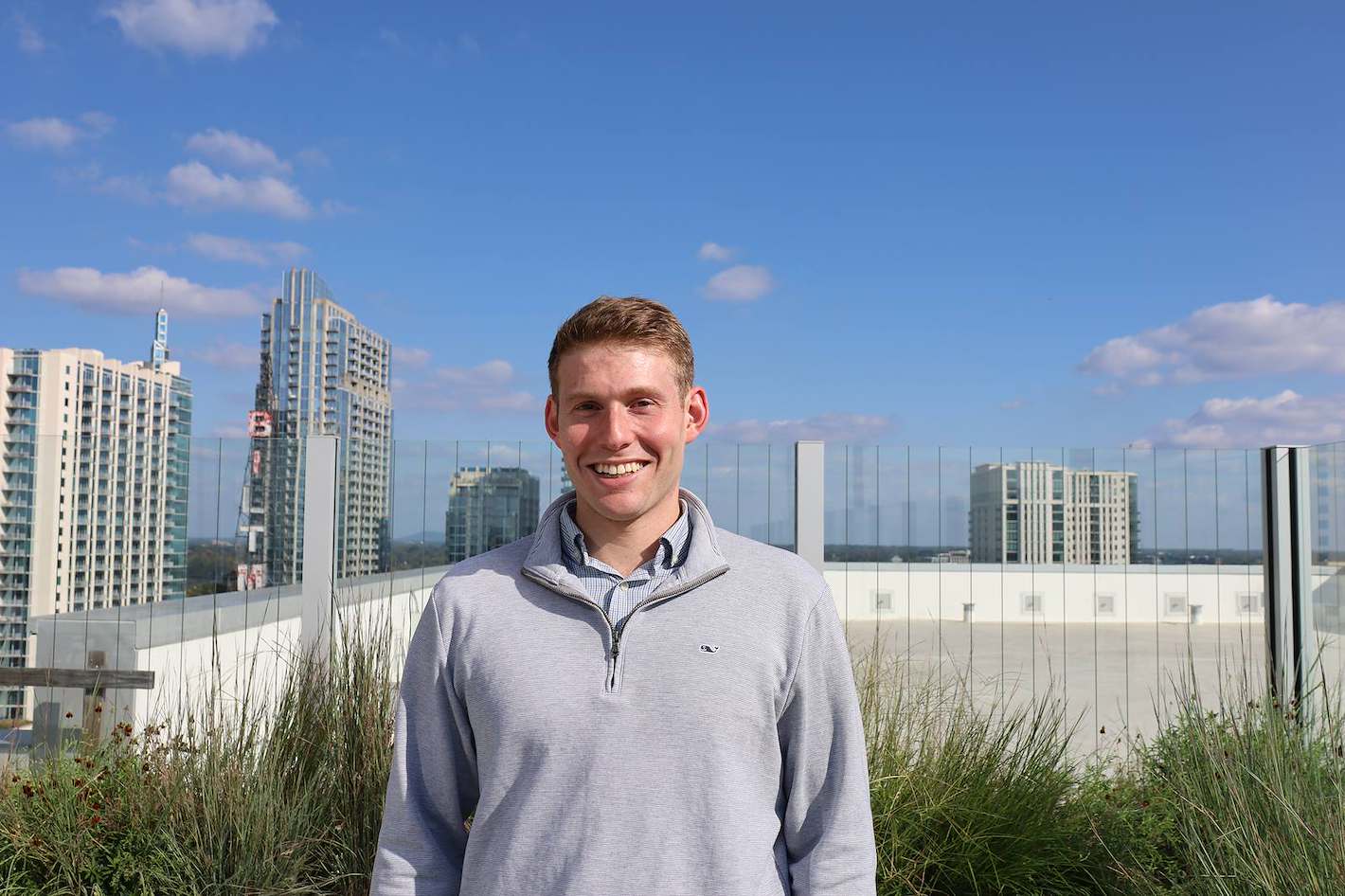
A Thomas J. Watson Fellowship brought ISyE Ph.D. student Abel Sapirstein to northern Rwanda, where a visit to a cancer center inspired his research on improving geographic access to cancer care.
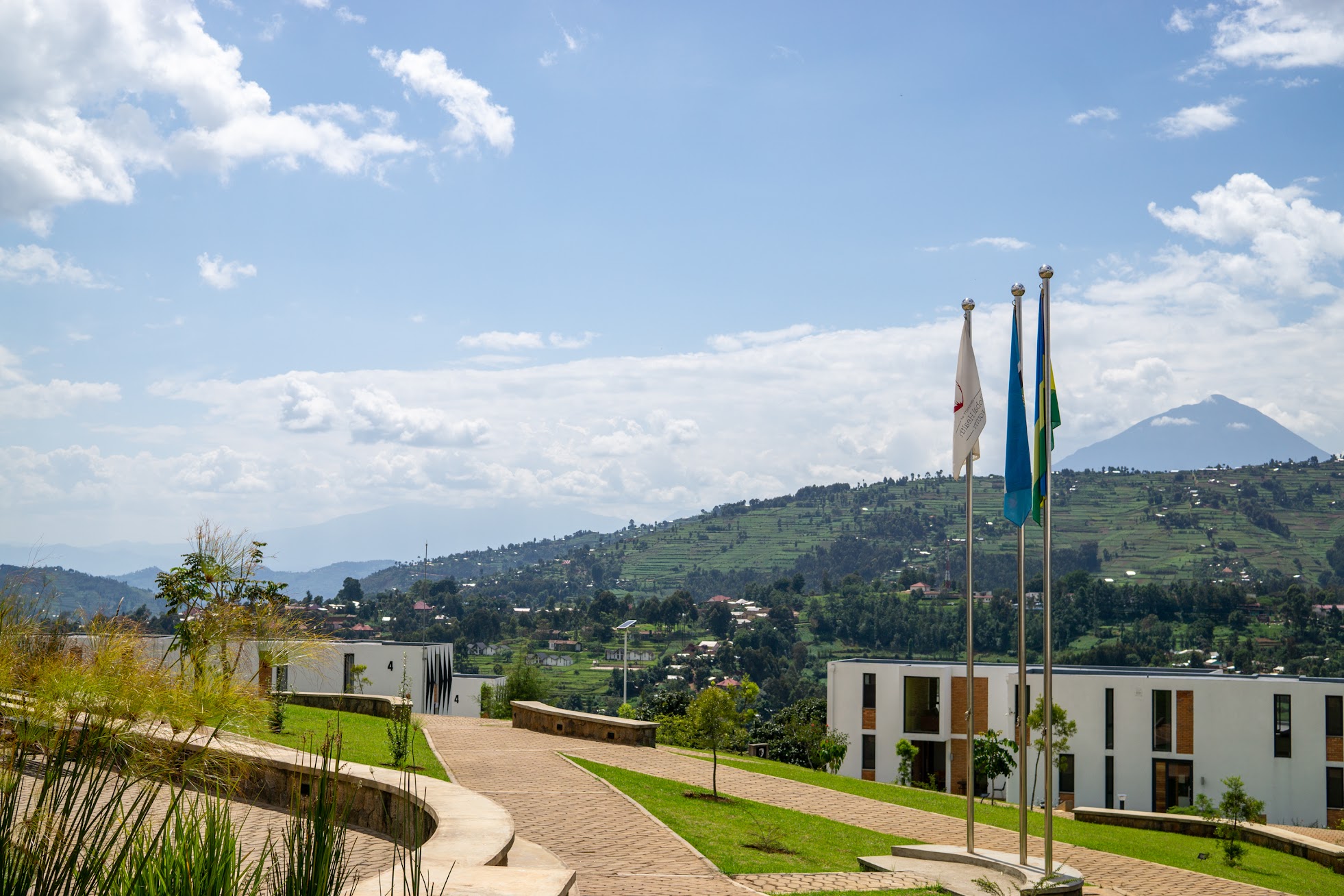
The Butaro Cancer Center of Excellence, located about 60 miles north of Rwanda's capital of Kigali.
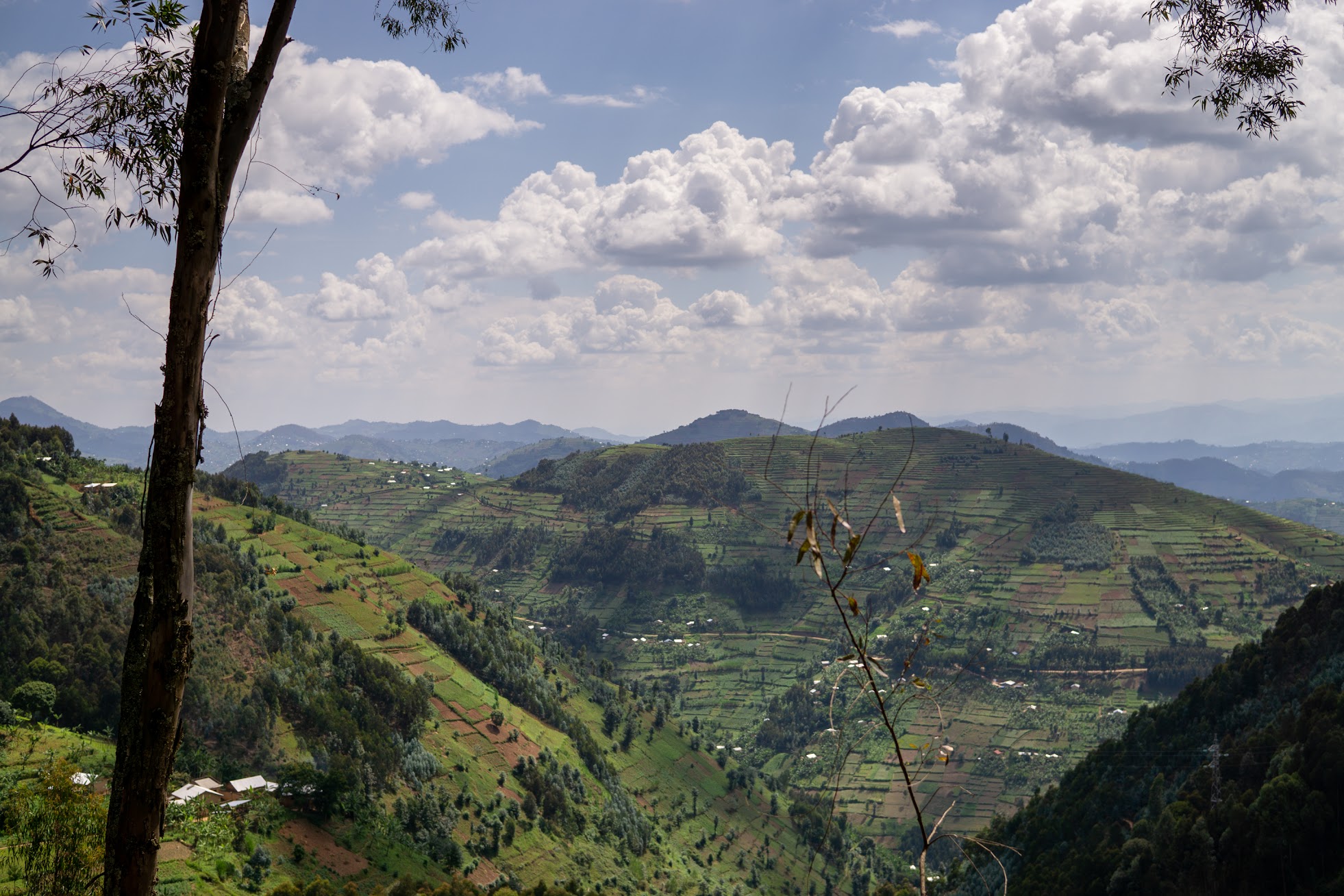
The mountainous terrain between Kigali and Butaro underscores the challenges patients can face reaching cancer care, particularly when heavy rains make roads difficult or impossible to travel.
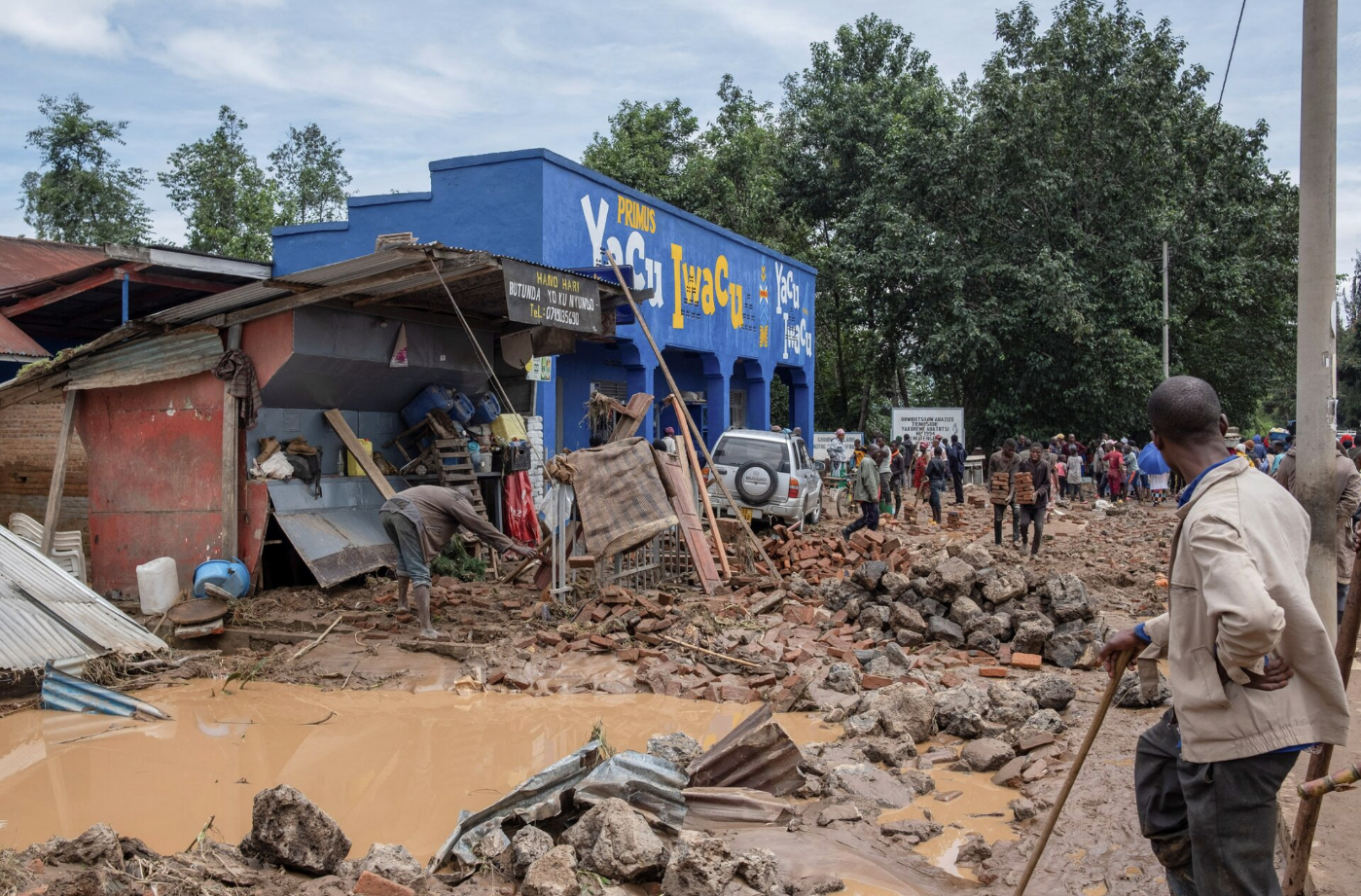
The aftermath of heavy rains in the region shows how quickly road conditions can become a barrier to reaching care.

Sapirstein used optimization to weigh investments in roads and cancer facilities. The model showed how road improvements could expand access where building additional facilities may not be viable.
For More Information Contact
Anna Akins | Communications Manager I
Photos of Abel Sapirstein taken by ISyE student assistant Medha Gollakoti
Rwanda photos courtesy of Abel Sapirstein